
5 Things to Consider When Buying Prescription Eyewear for Kids
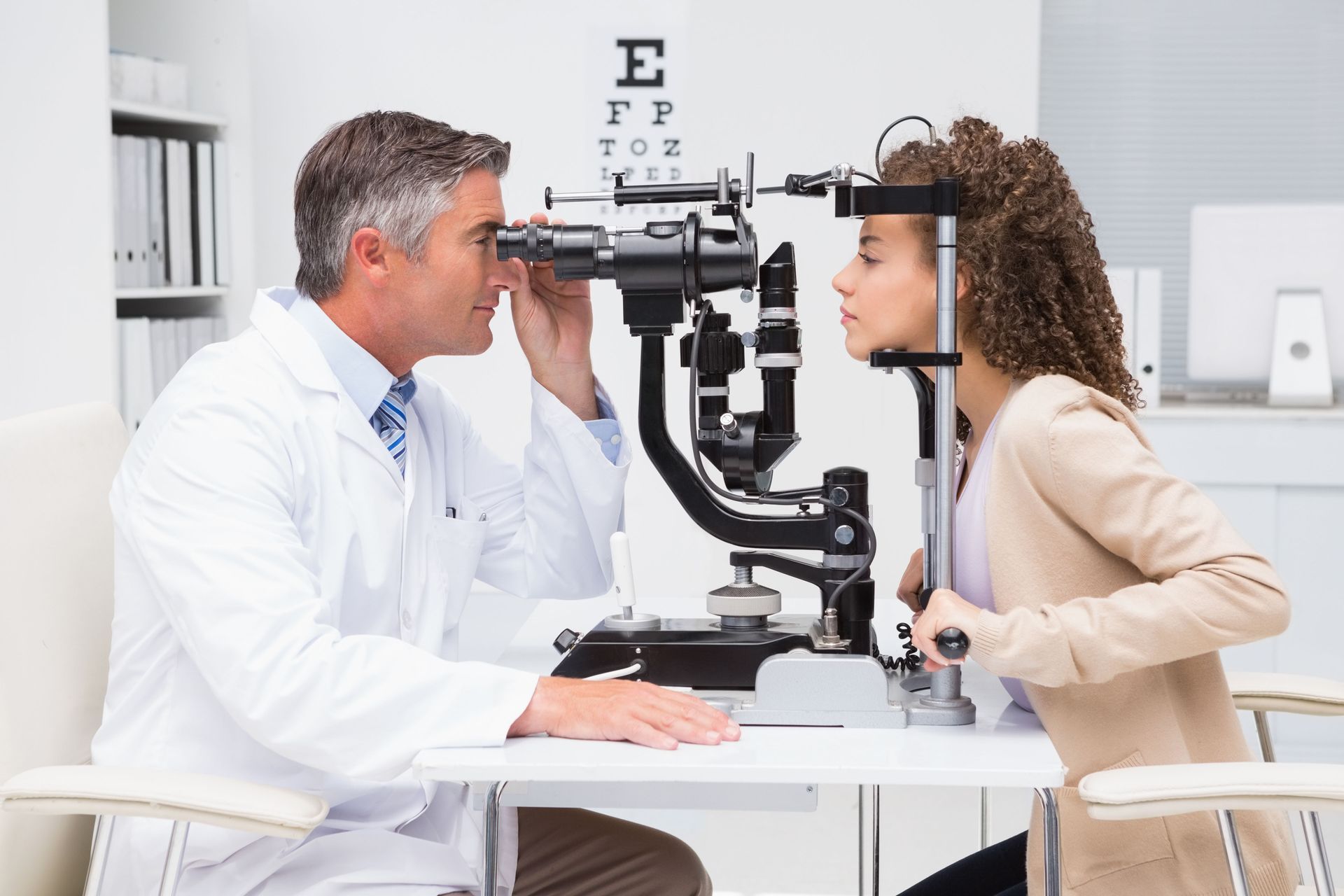
Helping your child navigate their school years, sports activities, and daily playtime requires careful attention to their physical development and sensory health. While parents are quick to track height milestones and schedule routine pediatric checkups, a child's visual health can sometimes slip under the radar. Children rarely complain about blurry vision simply because they assume everyone sees the world exactly the way they do. Waiting until your child experiences severe school fatigue, falling grades, or frequent headaches before checking their eyes can turn a simple fix into a frustrating developmental hurdle. Taking the time to secure the right visual support is the absolute best way to ensure your child can learn, play, and grow with total confidence.
Prioritizing your child's visual clarity is a vital decision that actively protects their academic success, their safety on the playground, and their overall coordination. When an eye exam reveals that a child needs vision correction, choosing the right frames and lenses becomes a critical next step. According to Medical News Today, a prescription of 1.75, whether -1.75 (nearsightedness) or +1.75 (farsightedness), indicates moderate vision impairment. A correction at this level makes a massive difference in how clearly a child can see the classroom whiteboard or a flying baseball. Finding the perfect pair of high-quality prescription eyewear ensures that your child's developing eyes get the exact help they need without causing physical discomfort or social anxiety. Modern optical manufacturers now offer a wonderful variety of child-friendly features designed to keep your little one's eyes protected and their vision clear.
1. Prioritizing Lens Durability and Impact Resistance
When shopping for children's glasses, the actual material used to create the lenses is the single most important safety factor you need to evaluate. Standard glass or basic plastic lenses can easily shatter into dangerous, sharp shards if your child gets hit in the face with a basketball or drops their glasses on a concrete sidewalk. To keep your child's eyes completely safe from harm, modern prescription eyewear for kids should always feature high-impact polycarbonate lenses.
Polycarbonate is an incredibly lightweight, space-age plastic that is virtually indestructible, making it the perfect choice for active kids who love running, jumping, and playing sports. This durable lens material also features built-in scratch-resistant coatings to survive being tossed into a school backpack or dropped on the floor. Choosing high-impact lenses for your child's prescription eyewear gives you absolute peace of mind, knowing that their eyes are shielded by a protective barrier that can handle the rough-and-tumble nature of daily childhood adventures.
2. Choosing Flexible and Resilient Frame Materials
Children are notoriously tough on their belongings, and eyeglasses are certainly no exception to this rule. Traditional metal frames with rigid hinges can easily bend out of shape, snap under pressure, or scrape your child's face during recess. When evaluating modern prescription eyewear options, look for frames constructed from highly flexible materials like silicone, memory metal, or specialized nylon composites.
Many top-tier children's frames feature innovative 180-degree spring hinges that allow the temples to bend completely outward without breaking. Some toddler-sized frames are even molded from a single piece of soft, flexible rubber that can be twisted and bent repeatedly without snapping. Investing in flexible frames for your child's prescription eyewear drastically cuts down on frustrating mid-semester trips to the optical shop for repairs, ensuring the glasses stay straight and comfortable on your child's face.
3. Ensuring a Correct and Secure Frame Fit
A pair of glasses can only correct your child's vision perfectly if the lenses sit precisely in front of their pupils without slipping down their nose. Because children have smaller, flatter nasal bridges than adults, finding a frame that fits securely without sliding can be a bit of a logistical challenge. When picking out new prescription eyewear, pay close attention to how the frame's nose pads rest against your child's face.
Many children's glasses feature adjustable silicone nose pads or specialized, soft saddle bridges that distribute the weight of the frames evenly across the nose. For younger kids and toddlers, look for frames equipped with elastic comfort straps that wrap securely around the back of the head to keep the glasses in place during active play. Ensuring a snug, wiggle-free fit prevents your child from constantly pushing their glasses up or looking over the top of the lenses, allowing their prescription eyewear to work exactly the way the doctor intended.
4. Integrating Essential UV Protection and Blue Light Filters
Children's eyes have clear, developing internal lenses that allow light to reach the back of the eye compared to mature adult eyes. This biological difference means that young eyes are uniquely vulnerable to permanent damage from the sun's harmful ultraviolet rays and modern digital screen glare. When ordering your child's customized prescription eyewear, make sure to request comprehensive UV-blocking layers on both the front and back of the lenses.
If your child spends several hours each day using tablets, laptops, or smartphones for schoolwork and games, consider adding a protective blue light filter to the lenses. This advanced coating prevents digital eye strain, reduces dry eyes, and helps your child fall asleep much more easily at the end of a long day. Adding these protective features to your child's prescription eyewear keeps their delicate retinal cells safe from modern environmental hazards.
5. Letting Your Child Pick Their Favorite Frame Style
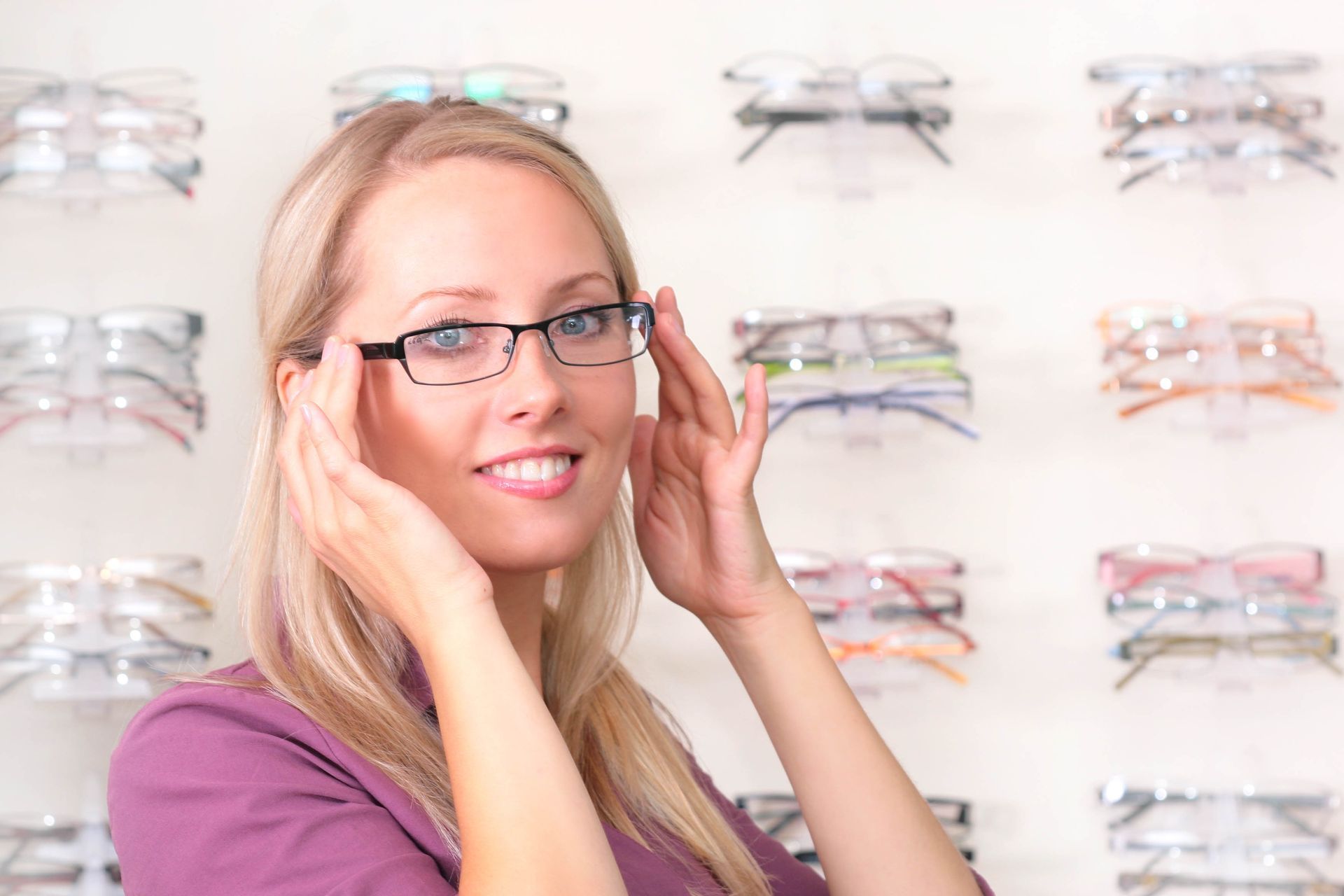
No matter how durable, perfectly fitted, or technologically advanced a pair of glasses might be, they will not help your child if they stay hidden inside a school backpack. Getting a child to wear their glasses consistently requires making sure they actually feel confident, stylish, and happy while wearing them. When shopping for new prescription eyewear, it is incredibly important to give your child the final say over the color, shape, and overall style of their new frames.
Modern optical shops offer an amazing array of fun children's frames, ranging from bright neon colors and cool geometric patterns to character-themed designs from popular movies. When children get to choose the look of their own prescription eyewear, they develop a strong sense of personal ownership and pride in their new accessory.
Sustaining clear, comfortable, and healthy vision throughout childhood requires a smart combination of regular eye exams, durable materials, and a supportive family approach. A child's eyes are delicate, rapidly developing structures, and attempting to manage clear vision with poorly fitted frames or low-quality lenses will only cause unnecessary frustration and school struggles. Taking the time to research your options and choose high-quality features removes the stress from childhood vision correction and ensures your little one's eyes are fully protected. By aligning your family's healthcare routine with the right choice of prescription eyewear, you protect your child's academic development and unlock a world of bright, clear opportunities for their future.
When you prioritize durable lenses, flexible frames, and proper fits, you give your child a powerful tool to excel in the classroom and enjoy their favorite playground sports safely. Regular frame updates and proper lens care ensure that their changing vision needs are always fully supported as they grow. If you notice your child squinting at screens, sitting too close to the television, or passing a milestone checkup date, do not wait for a major school bottleneck to take action. Visit eyeTrade Optical Shop online today to explore child-friendly styles, update their lens options, and secure a professional consultation for your child's
prescription eyewear.
Share On: